AI search is a shifting frontier, and many marketers and SEOs are rightly confused about where to start measuring their performance. Classic SEO metrics like backlinks, rankings, or organic traffic only tell part of the story today. The rise of AI-powered assistants like ChatGPT and Perplexity has created a fractured search landscape. This fragmentation means your “visibility” now spans multiple assistant platforms, each with its own quirks and answer formats.
Before jumping into any AI search optimization project, you need a solid baseline—a clear understanding of how your brand and content appear across these AI interfaces. I’m going to break down what you must measure first, focusing on the concepts of AI visibility baseline, query triggers, and AI citations reports. We’ll also explain why AI SEO is not just old-school SEO with a new label.
Why Start With Measurement in AI Search Visibility?
Too many organizations treat AI search the same way they treated classic keyword rankings. They track a handful of keywords on Google and assume their AI performance will follow. This is a mistake.
AI search is fundamentally different because:
- Search fragmentation: Users can access answers from multiple AI assistants, not just Google. Your content’s visibility fragments across ChatGPT, Perplexity, Gemini, Google AI Overviews, and others. Answer-layer interception: AI assistants often provide direct answers or synthesized responses, circumventing traditional clicks to your website. Mind-share via citations: AI systems often cite or mention sources in answers, creating a new kind of brand awareness beyond clicks.
Because of these differences, the first step in AI SEO is to build an AI visibility baseline. This captures where you already appear in results, for which queries, and how often AI systems reference your content.
Step 1: Establish Your AI Visibility Baseline
Talk is cheap. You need data. To establish your AI visibility baseline, you want to measure:
- Where your brand/content is mentioned or cited in AI assistant answers Which queries trigger those mentions (the “query triggers”) How these mentions appear across different AI assistants (e.g., ChatGPT vs. Perplexity)
Understanding these metrics gives you a mirror into your current AI mind-share and highlights opportunities and gaps.
Why AI Visibility Baseline Matters
Without this baseline, you’re flying blind. You won’t know which queries already favor your content and where you must build presence. Plus, measuring visibility across assistants will show you if your content is favored in some AI systems but invisible in others.
Step 2: Identify Your Query Triggers
Ask yourself: What query triggers that mention or citation? Every AI citation happens in response to a specific user query or prompt. Capturing those query triggers is crucial because they reveal:

- The user intents your content currently satisfies Potential new adjacency queries to target Insights about how AI assistants frame and retrieve your content
For example, your SaaS pricing page might be frequently cited when users ask, “Compare X pricing vs competitor Y.” Knowing exactly which queries trigger your content enables strategic AI keyword targeting.
Step 3: Generate an AI Citations Report Across Assistant Platforms
Unlike classic SEO, where you track rankings or backlinks, AI search visibility relies heavily on ai citations reports. These reports capture AI assistant references, such as:
- Textual citations in ChatGPT’s or Perplexity’s answers Links or brand mentions in AI-generated overviews (e.g., Google AI Overviews) Fact-checks or source notes that reference your site
By aggregating these citations across platforms, you build a comprehensive picture of your brand’s AI mind-share. This report should detail:
Keep This Report Updated
AI assistants continuously update and train their models, so https://seo.edu.rs/blog/how-do-i-check-if-chatgpt-mentions-my-brand-11130 citations can change rapidly. Run periodic scans every 30 to 60 days to track your citation growth or loss across assistants.
Search Fragmentation: Why AI Search Is Not Just SEO 2.0
Classic SEO was mainly about optimizing for Google Search, with a small set of backend signals Visit this website and ranking factors. AI search visibility is radically different.
Multiple AI Assistants, Multiple Algorithms
ChatGPT, Perplexity, Google AI Overviews, Gemini, and others fetch, filter, and synthesize information using distinct models and data sources. Your content might rank well on Google Search but be invisible or truncated in ChatGPT responses.
Answer Layer Interception Cuts Traffic
The AI answer layer often gives a full or partial answer inside the assistant interface. Users get the information without clicking through to your site, meaning traditional click-through-rate (CTR) metrics can decline even if your content is featured.
Visibility Is Mind-Share, Not Just Visits
AI citations are a new measure of mind-share. Being cited or mentioned inside AI assistant responses builds brand awareness, credibility, and can drive downstream conversions—sometimes indirectly.
Bonus: Things We Can Measure and Should Track Over Time
Number of AI citations across platforms — total mind-share Top query triggers producing citations Assistants where you have zero visibility — gaps to fill Click-through rate from AI assistants (when applicable) Content types favored — blog posts, product pages, FAQs Sentiment/context around citations (positive, neutral, negative)Tools to Help You Measure AI Search Visibility
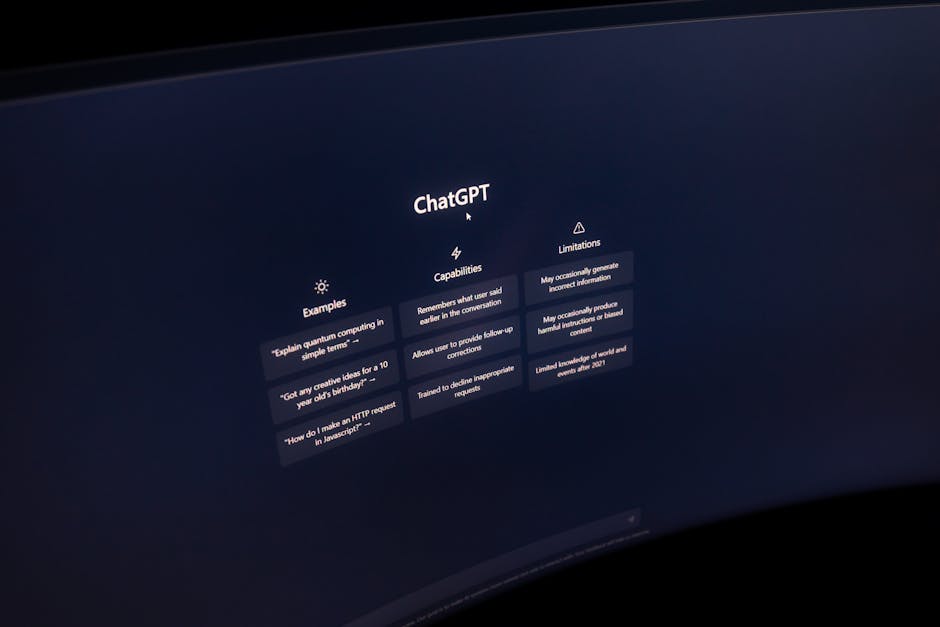
ChatGPT
ChatGPT (especially with plugins or advanced browsing mode) lets you simulate user queries and check if your content or brand is mentioned in the model’s responses. Use it to test your AI visibility baseline manually or semi-automatically.
Perplexity
Perplexity AI includes transparent citations in its answers, making it easier to scan for your brand’s appearances. You can build scripts to monitor citation frequency across relevant queries.
Cross-referencing ChatGPT and Perplexity data provides a more comprehensive multi-assistant view of your AI visibility landscape.
Wrap-Up: Measure Before Optimizing AI Search Visibility
Don’t take vague claims at face value. Before committing resources to AI SEO, build an AI visibility baseline by cataloging your query triggers and running an AI citations report across platforms like ChatGPT and Perplexity. Understand your starting point amid search fragmentation. Measure raw mind-share, not just clicks.
AI SEO is a distinct discipline, not classic SEO with a new label. The metrics differ, the optimization levers differ, and your goals may shift from pageviews to brand presence inside AI assistant answers.
Start with measurement, and your AI search visibility program will have a real shot at success.